Didn't like the recall of Ararat
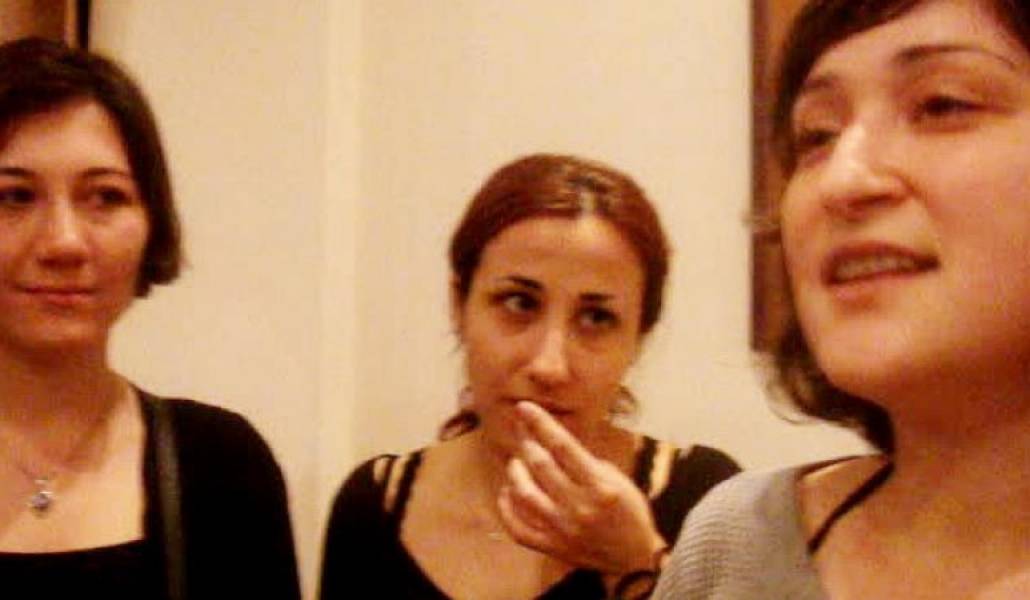
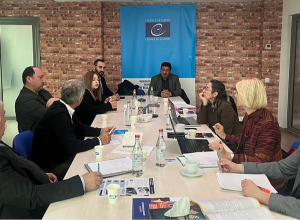
More than 10 Turkish students headed by Onur Gunturkun are in Armenia to participate in the international scientific conference dedicated to neurology.
In an interview with "A1+"", the students mentioned that they have always had the desire to be in Armenia, get acquainted with Armenian culture and traditions from up close. According to them, Armenian and Turkish cultures are very much alike.
The Turkish delegates joined the other participants of the conference on a visit to the Armenian Genocide museum-institute and lay flowers in front of the memorial in memory of the victims of the 1915 Armenian Genocide.
"We went to the memorial to confirm our positive intentions and say that we are not indifferent to the historical events. Our ancestors truly did something that you call genocide and we call the massacre of a great number of Armenians for which we feel repent and wish to overcome through combined forces," said one of the Turkish delegates.
One of the students added that despite their positive intention, they had a little dispute at the museum which they didn't like that much.
"The guide presented the events and told us that Ararat was not ours and is in a neighboring country, that is, our border and there will come a time when the neighboring country will return Ararat. That was not right because we have a good disposition towards Armenians and such political issues must be solved within the political framework," said the Turkish student, adding that they have many Greek and Armenian friends and inter-ethnic issues cannot stand in the way of good relations because there have not been any discussions on that issue at all.
Touching upon the need to open the Turkish-Armenian border, the Turkish students all shared the view that it is high time to open the border and took note that the genocide and other issues must not be linked to the opening of the border.
They expressed hope that science and business, as well as cultural ties could become the best opportunity for cooperation between both nations. "Science has no borders. Similar conferences will help overcome the psychological and border barriers and recognize each other's best sides," said the students in closing.
There were over 80 experts of which 35 are professors.
Alessandro Trevis, who is an Italian of Jewish origin, said memory can be divided into individual and collective memory. "In its turn, individual memory is based on facts like, say, how to ride a bicycle. Whereas the first is easier to keep and reproduce, the second is more difficult to present," said the expert, adding that collective memory can be considered to be national traditions that are passed on from one generation to the next.
As for the influence of a genocide survivor's memory, the expert said memories about bad events cause pain and people need to share that pain with others to mitigate it.