“An open wound will not recover”
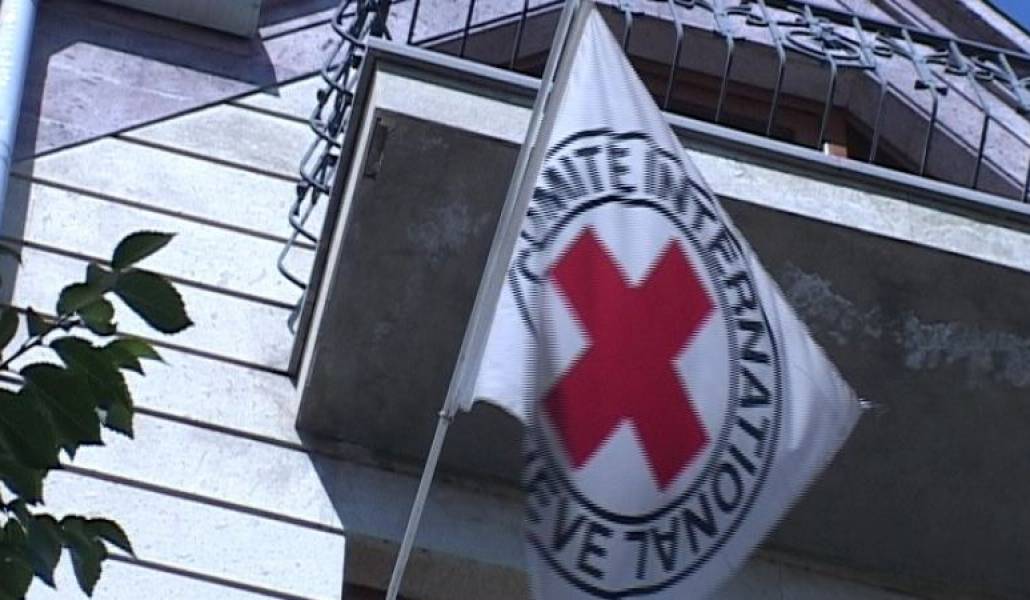
Sixteen years after the end of the Nagorno Karabakh war, both sides still have 4500 missing persons. This data was given to the "A1+" by the Armenian Delegation of the International Committee of the Red Cross.
Today, on the occasion of the International Day of the Disappeared, the ICRC delegation signed an agreement with the State Commission on Prisoners of War, Hostages and Missing Persons, which comprises representatives of various bodies. According to the agreement, a software database on missing will be launched.
"The grievance of the families of those who went missing as a result of the Nagorno Karabakh conflict is endless, since they have not yet obtained clarity in the fates of their missing loved ones," concluded Milena Osorio, psychologist for the ICRC Delegation in Armenia.
She had personal talks with the families of missing persons and considers that these people's grief isolated them from the society; they do not feel their pain to be shared.
The survey recently undertaken by the ICRC Delegation in Armenia revealed that the families of missing persons in connection with the Nagorno Karabakh conflict exhibit high poverty rates.
"The most vulnerable group is female breadwinners with multiple children living in rural areas, as well as families both in urban and rural areas whose sole source of income are benefits. Families in rural areas live in worse economic conditions than families in urban areas. In addition, families lost assets searching for their loved ones, lost opportunities for improving their economic conditions", Melany Vonrospach, Protection Delegate of the ICRC Delegation in Armenia said in an interview to "A1+".
A similar survey was conducted in the NKR, on which Melany Vonrospach refused commenting, as it was out of her competence, she said.
Compared with other international organisations, the lack of NKR's international recognition does not prevent the ICRC from carrying out activities there.
"The ICRC is out of politics and works in the areas where people suffered from the war and need u," said Ms Vonrospach. She assured that the modalities of the ICRC works worldwide is the same: it provides information without breaking confidence with local authorities. Ms Vonrospach said within 18 years of work in Armenia the organisation encountered no obstacles: all the doors were open to it. She expressed hope that through collaboration of all stakeholders concerned the issues of missing persons in Armenia might be solved successfully.