"Never loans"
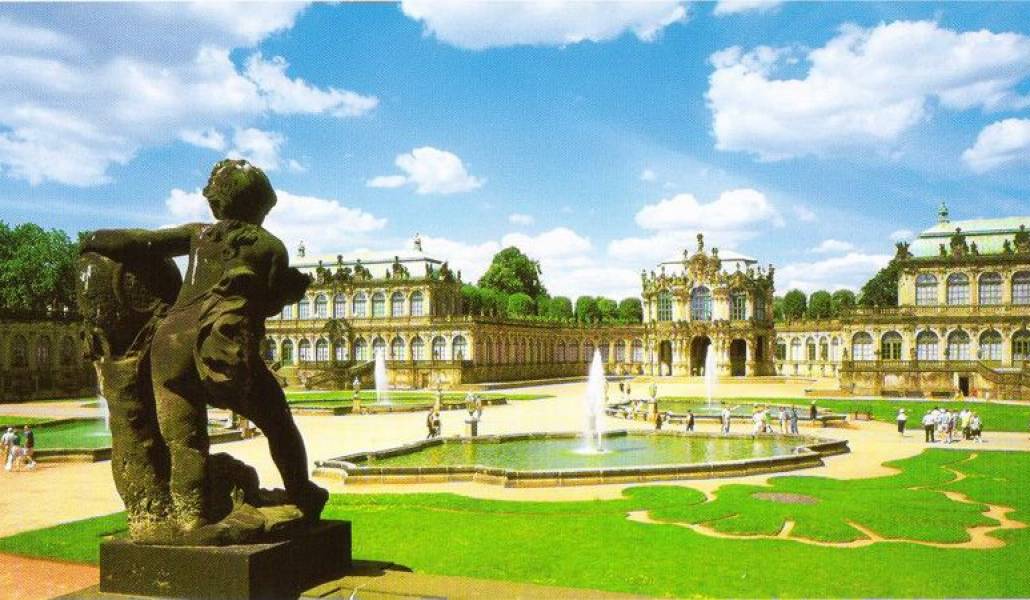
It is hard to imagine that Dresden, which is the world's most beautiful city rich with architectural values, is also one of the most significant centers for culture, industry and transportation in the Federal Republic of Germany.
After the bombing of the British air forces in February 1945, the 800-year old city was able to regain its charm and the centuries-old churches and structures were renovated within 20 years.
Dresden was among UNESCO's list of universal cultural heritage until recently when UNESCO decided to take Dresden out of the list since the municipal authorities had decided to build a bridge crossing Elban.
UNESCO experts say the bridge will violate the integrity of the architecture of the complex and will close the view opening to the valleys of Elba and the historical Saxonian center in Dresden.
Environmentalists share this view. They have raised uproar in Dresden and are continuing to struggle in courts to impede the construction of the bridge. In an interview with "A1+", Head of the "Inheritors of Dresden" initiative Khaydrun Laudel and initiative representative Rayner Kempe assured that they will fight until the end and will not allow the distortion of the image of their historical city.
However, the bridge located in eastern Germany nearly 20 km away from the German-Czech border is of economic significance for the city and it is based on those grounds that the municipal authorities have taken this step and are ready to implement the project, even if it means being left out of UNESCO's list of cultural heritage.
During a meeting with journalists from post-Soviet countries in Dresden, deputy mayor of Dresden in charge of municipal construction Jorn Max informed that they were disappointed in UNESCO's decision and view it as a unilateral, political decision because there are many other cases when the structures that harm the image of a city of cultural value more have been tolerated.
The decision to build the bridge was taken during a referendum. The local residents voted for the construction and the Constitutional Court of Germany approved the project.
Let us mention that Dresden and Dusseldorf are the two German cities that don't have foreign debts.
However, the municipal government had a hard time "paying off" those debts that accumulated after 2002. The mayor had taken loans from different international monetary funds and international organizations.
"Never loans and never credit-this is Dresden's number one slogan," said deputy mayor in charge of finance Gartmut Foryoan, adding that the municipal government was forced to sell 48,000 homes to American investors to pay off the loans. .
To pay off the loans, the municipal government reduced workplaces. It didn't do this by firing people, but by not accepting any new workers after the old workers went on pension or filed an appeal to leave work.
After the mayor of Dresden took these decisions and paid off the debt, he refused to continue in this post and now Dresden has a new mayor and no debts.
The city wins due to its cultural values. The "investments" made centuries ago are great financial aid for the city. Ten million tourists visit this wonderful city, but there is no detailed study on the percentage of the budget that goes to tourism.
Diana Markosyan
Dresden-Yerevan