International migrants can reach 405 million by 2050
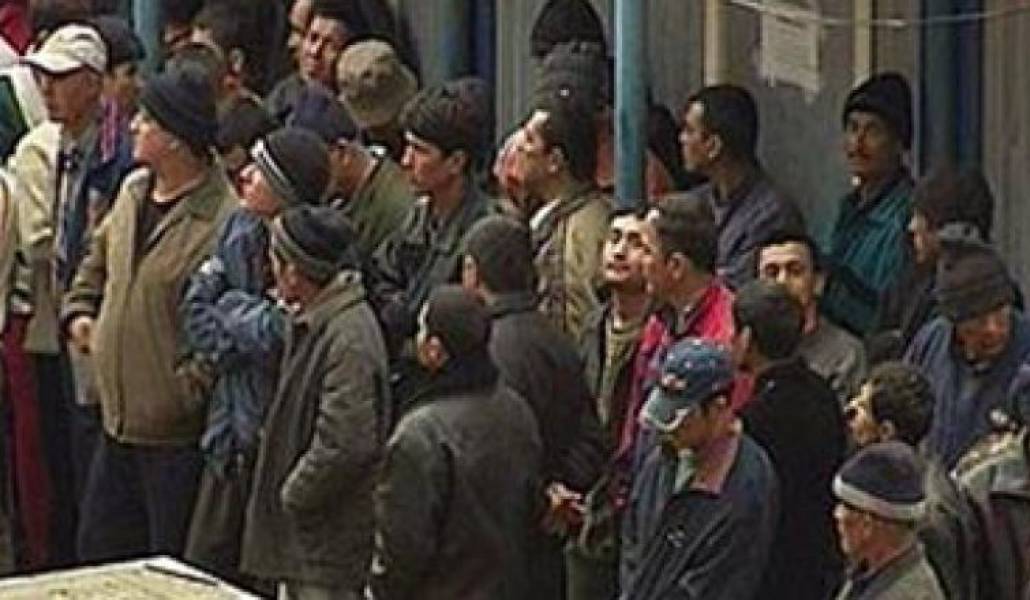
The world will be taken by surprise by the relentless pace of migration unless States, international organizations and civil society make a concerted effort to invest in how they respond to it, says the World Migration Report (WMR) 2010 launched today by the International Organization for Migration (IOM).
The report, "The Future of Migration: Building Capacities for Change", argues that in a world where demographics, economic needs and the effects of environmental change are driving the inexorable rise in numbers of international migrants, governments and non-state actors have little choice but to invest adequate financial and human resources to ensure States, societies and migrants reap the full potential of future migration.
Although hundreds of millions of dollars are spent each year to strengthen the ability of States to effectively manage migration, WMR 2010 notes that responses to current and emerging migration challenges and opportunities are often short-term, piecemeal and fragmented. This is having a profound effect on human mobility and economic and social development, with every country affected in some way.
If the number of international migrants, estimated at 214 million in 2010, continues to grow at the same pace as during the last 20 years, it could reach 405 million by 2050.
One of the reasons for this steep rise will be significant growth in the labour force in developing countries from 2.4 billion in 2005 to 3.6 billion in 2040, accentuating the global mismatch between labour supply and demand. The impact of environmental change will also affect migration trends in the future.
Looking at the impact of the economic crisis, the report notes that the total number of migrants has remained stable as relatively few migrants have returned home even though they have been particularly affected by unemployment. As a result, remittances to developing countries declined by 6% in 2009, although some countries such as Bangladesh, Pakistan and The Philippines benefited from an increase in remittances between 2008 and 2009.
The number of irregular migrants will continue to grow as labour supply in migrant origin countries exceeds demand in migrant receiving countries and legal migration channels remain the exception rather than the rule.
The report identifies labour mobility, irregular migration, migration and development, integration, environmental change and migration governance as areas expected to undergo the greatest transformation in the coming years.
The World Migration Report 2010 calls for the rigorous analysis of core capacities of countries to manage migration in order to assess their effectiveness and to identify gaps and priorities for the future.