Lyrid Meteor Shower to reach its peak on Apr. 22
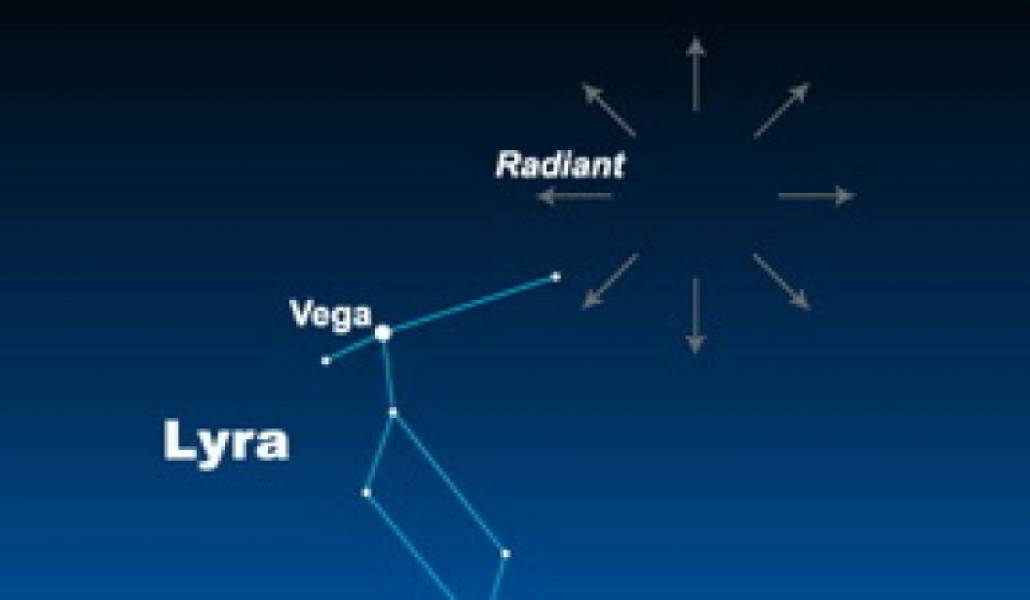
The Lyrid Meteor Shower is named after the constellation Lyra, as the meteors appear to be falling from the constellation. The debris that forms the Lyrid shower is dust from the comet C/1861 G1, known as Thatcher.
This year, the Lyrid Meteor Shower will begin around April 16th and will continue through April 26th. The Lyrids will peak the night of April 21st through the morning of the 22nd.
The Lyrids are known for uncommon surges that can sometimes bring the rate up to 100 per hour. Those rare outbursts are not easy to predict, but they're one of the reasons the tantalizing Lyrids are worth checking out.
The Lyrid shower typically produces between 10 and 20 meteors per hour. While this is a relatively small shower compared to other annual showers, it is still significant. The Lyrids tend to leave an obvious dust trail that will be visible for a few seconds.
In 2011, the peak of the Lyrid meteor shower around midnight on the 21st of April. When the moon sets allowing a darker sky, more meteors will become visible. The best time for viewing them will be before the sun rises on the 22nd. If you are able to view the shower from a "dark" area, you will see more meteors.