Orionid Meteor Shower to reach its peak October 21
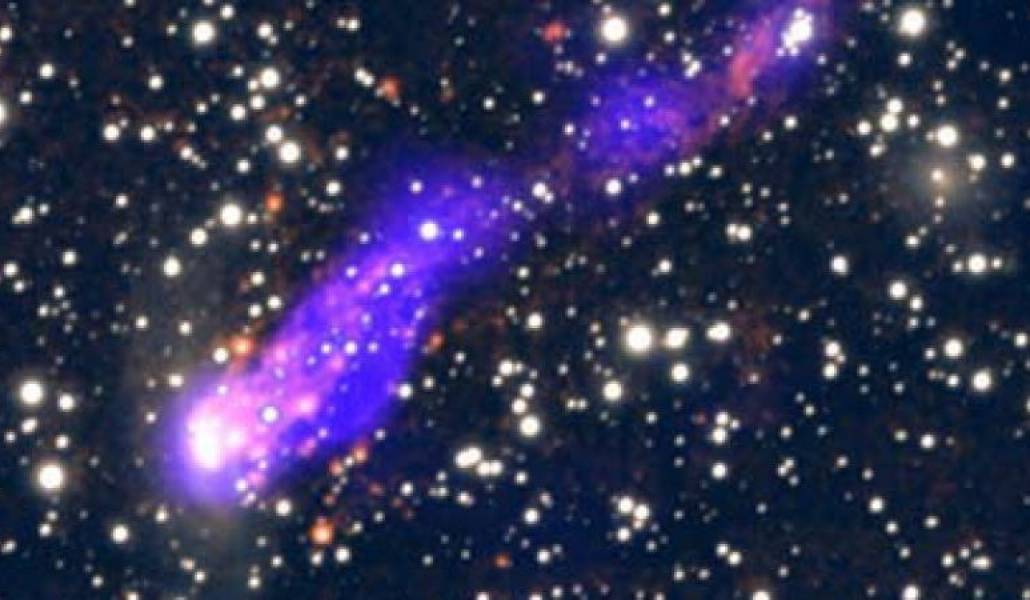
The peak of the Orionid shower is on the night of October 21. The Moon will be a couple of days past last quarter, so it will rise in the wee hours of the morning. Its light will hamper the shower, but not overpower it.
The Orionid meteor shower happens every year in October. Meteor showers are times when you can see many meteors or "shooting stars" in one night. There are several meteor showers each year. Most meteor showers can be seen for several nights.
During a meteor shower, it looks like all meteors shoot outward from one place in the sky. That point in the sky is called the "radiant" of the meteor shower. Each shower has a different radiant. The radiant for the Orionid shower is in the constellation Orion. That is why this shower is called the "Orionids".
If you want to see Orionid meteors, go outside at night on October 21st or one of the nights just before or after that date. You can see more meteors if you can watch from someplace very dark, away from street lights. If you are lucky, you might see as many as 20 meteors in an hour.
Look towards the southeast to find Orion if you live in the northern hemisphere; or look towards the northeast if you live south of the equator. Even if you can't find Orion, you can still see Orionid meteors. Just look up at the night sky in the southeast or northeast, depending on where in the world you live.
Most of the Orionid meteoroids are very, very small - about the size of a grain of sand! However, they are moving very, very fast - around 66 km/s (about 148,000 mph)! When they hit Earth's atmosphere, they burn up and glow; the glowing trails they leave behind for a second or two are what we see as meteors.
The dust that makes Orionid meteors is from a very famous comet. Orionid meteors come from Halley's Comet.