On Paper and In Reality: Why orphanages don’t close (video)
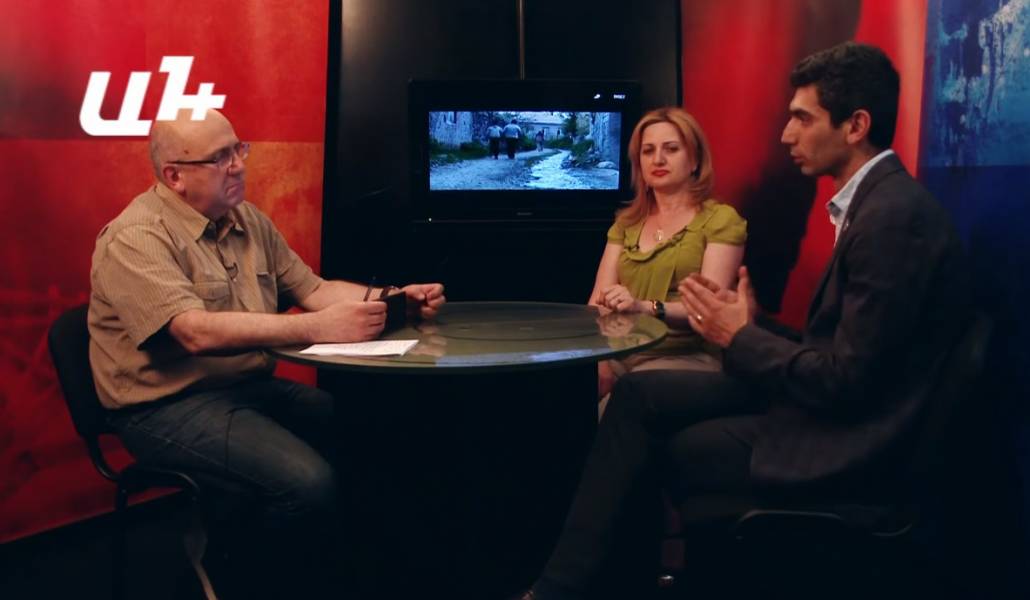
Children must grow up in families, even if they don’t have parents and patron. During “On paper and in reality” program of “A1+”, Luiza Gharibyan, a chief specialist of Family, Women and Children Affairs Department of the Staff of Armenia’s Ministry of Labour and Social Affairs, expresses her viewpoint. Returning the children living in orphanages to families is also today’s state policy, “If the family can meet the standards of fostering the child and ensure relevant conditions, that family must be given a chance.” The issue of accommodating the children of orphanages in foster families is important for the future of the children, states Artak Shakaryan, Coordinator of the Child Protection Programmes of the UNICEF.  He justifies his viewpoint bringing the example of heroes of “Alternative to orphanages” film of “A1+”, “If we compare Haykush, who lives in a foster family, with Gayane, who attends “Zatik” child support centre, we can see that Haykush is definitely ready for the life.” Isn’t it unfair when a single mother sends her child to an orphanage for social reasons, and another family receives money from the state for fostering that child? Luiza Gharibyan agrees with this viewpoint: “If we observe it from mother’s point of view, it seems not to be a moral step. Not every child can be given to foster care. If the problem isn’t social, in that case the child must be given to foster family. If the child has parents, we should try to return the child to the family.” According to the representative of the Ministry, the issue of the children with health problems is complex; no family agrees to adopt or foster such children.
  “The clear reason isn’t known, we haven’t carried out such a research, but we have declared for many times, have spoken to foster families, and they refuse. It is also costly,” says Luiza Gharibyan. Watch details of “On paper and in reality” programme in the video! P.S. You can also participate in our poll, proposing your alternative to orphanages.